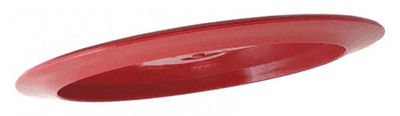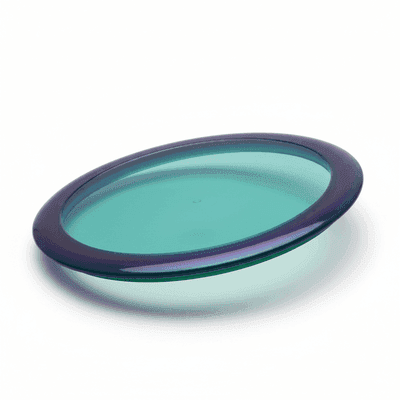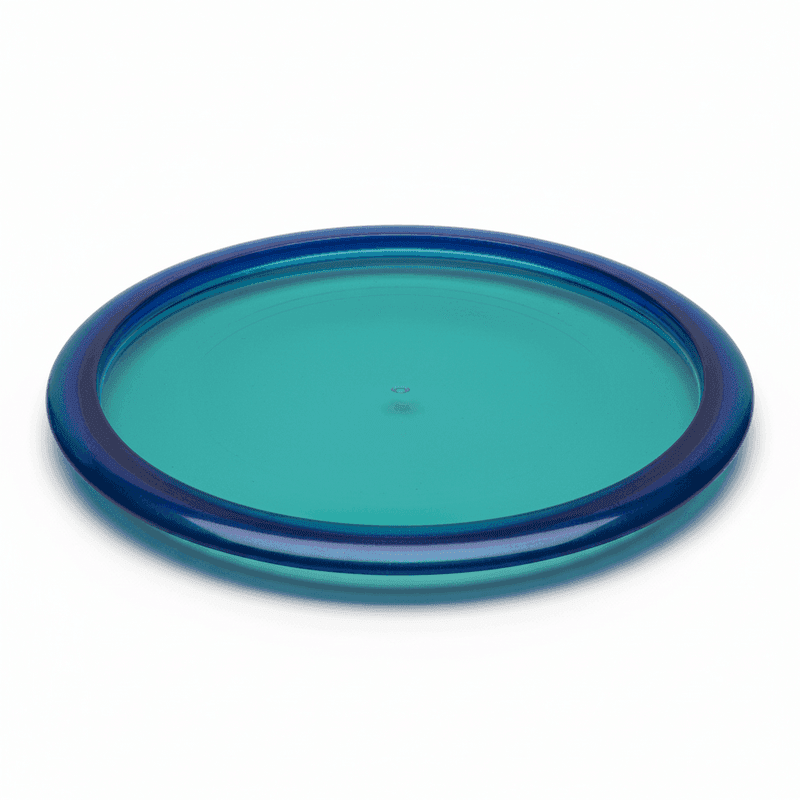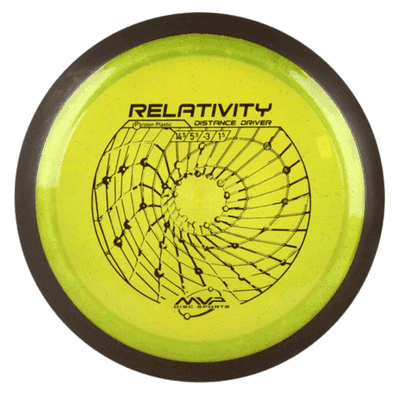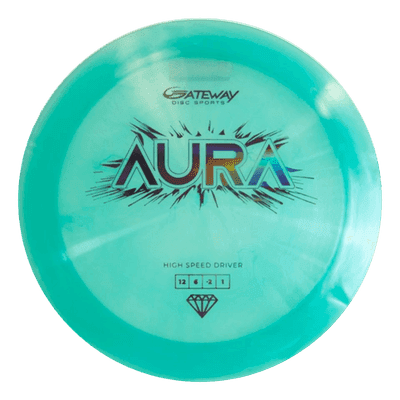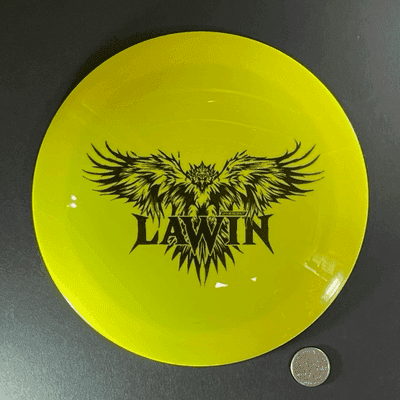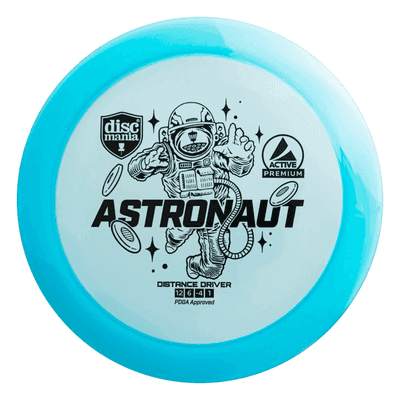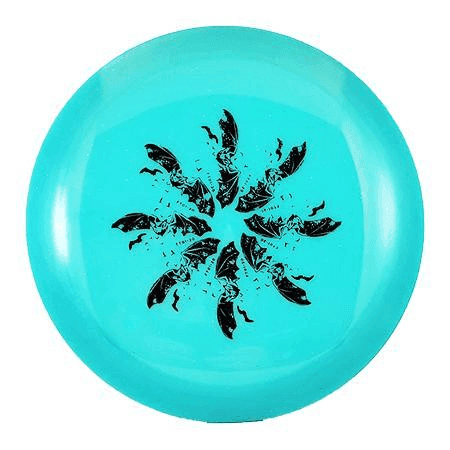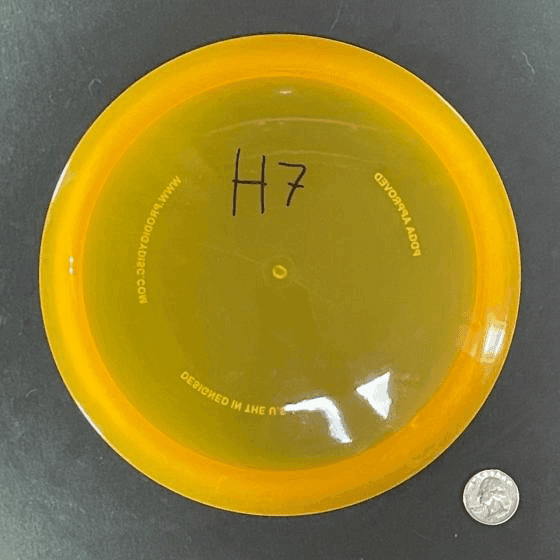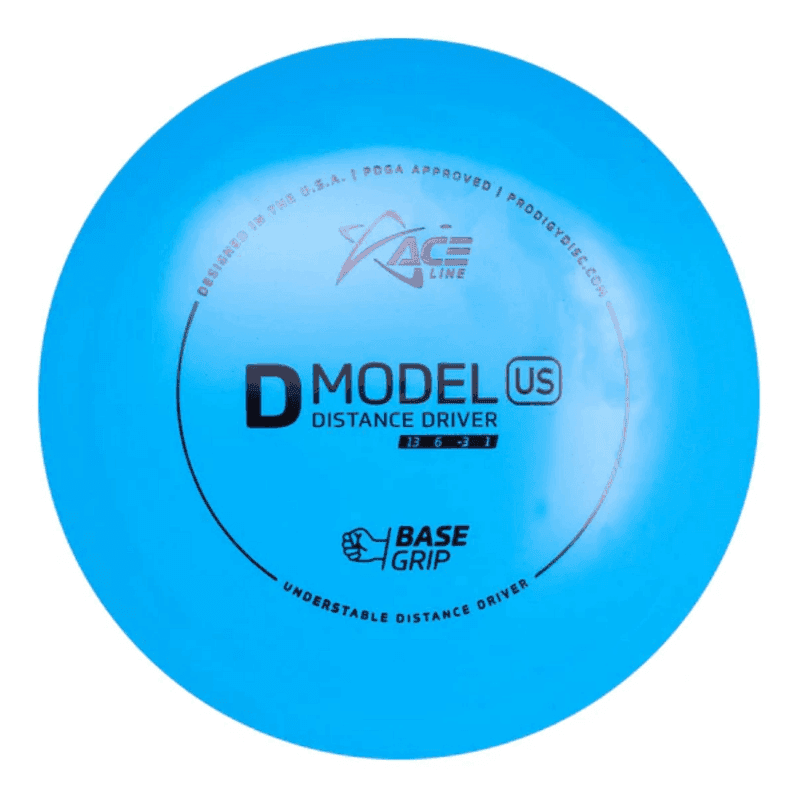
The Prodigy D Model US is a very high-speed distance driver with exceptional glide and gentle fade. It produces an understable flight that drifts right, making it a great option for players looking for easy distance or turnover lines.
Very high speed (13) requires elite arm speed — most players won't reach this disc's potential.
Release on a slight hyzer for a "hyzer flip" that turns flat and glides straight. Or throw flat for a gentle turnover line.
As a high-speed distance driver from Prodigy, this mold requires elite arm speed to tame its flight. Rated for 13, the disc fights a strong -3 turn, meaning it initially flares out to the right on a hard anhyzer before fading back left at the end of the flight. The 6.0 glide assists in keeping the disc airborne long enough for massive skips and rollers, offering a distinct flight path for those who can launch it with power. This plastic model is ideally suited for advanced throwers looking to execute turnover drives or aggressive rollers. Because of its high stability and heavy rim, beginners will likely struggle to control it. To get the most out of this disc, you need the snap to maintain a hyzer-flip to flat, allowing the -3 turn to work for you rather than against you. It is an excellent tool for players who want to push the distance envelope on long holes.
Navigate by flight characteristics
What the Prodigy D Model US's flight numbers mean for your game
This disc demands elite arm speed. Most recreational players will find it flies understable until they develop enough power.
Exceptional glide keeps this disc in the air a long time, maximizing distance. Be mindful of wind conditions.
Strong high-speed turn means this disc will flip and curve right (RHBH) significantly. Useful for rollers and big turnover shots.
A gentle fade at the end of flight. The disc hooks slightly left (RHBH) as it slows, providing a soft, predictable finish.
Updated today
See price
In Stock
We may earn a commission from purchases made through these links.